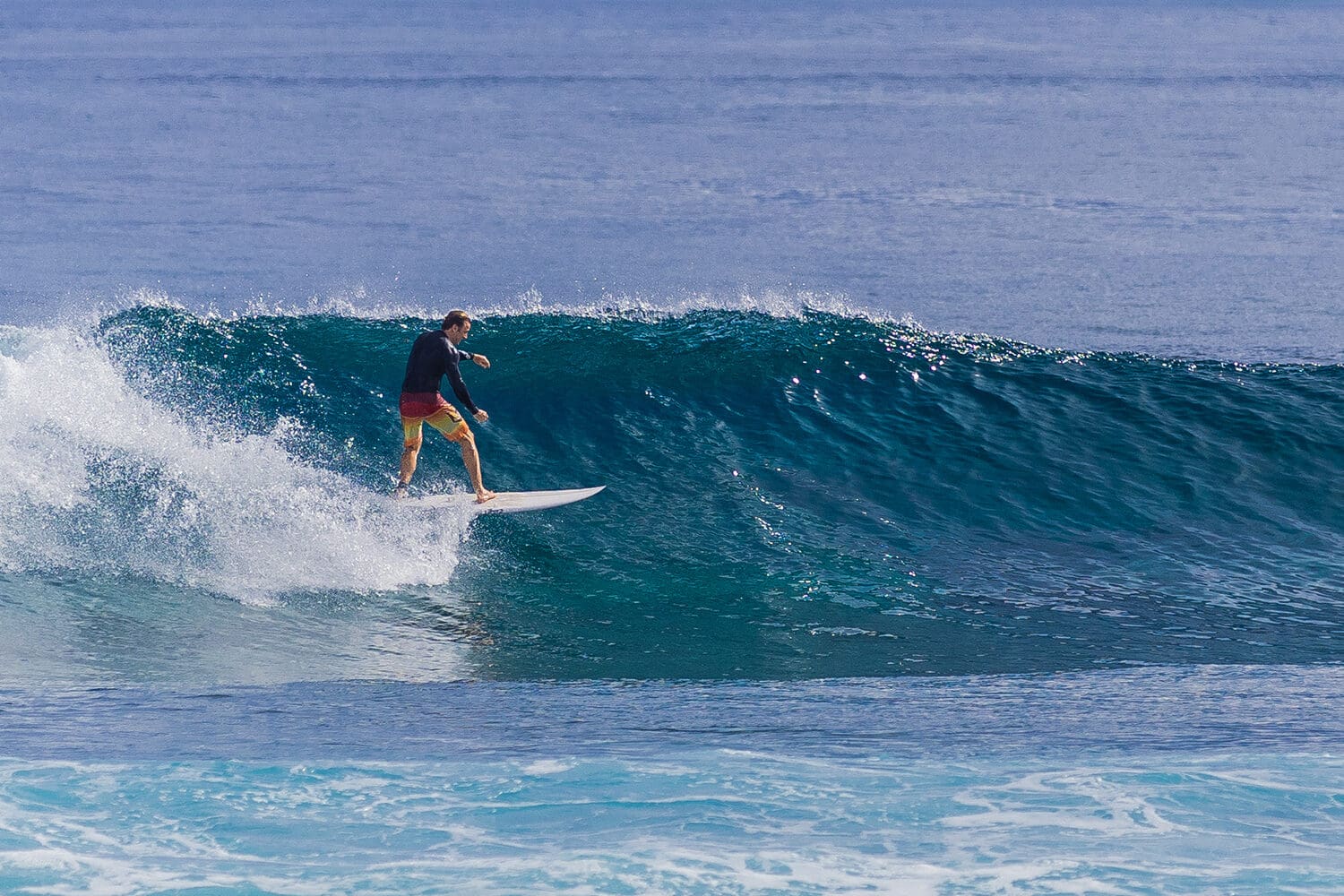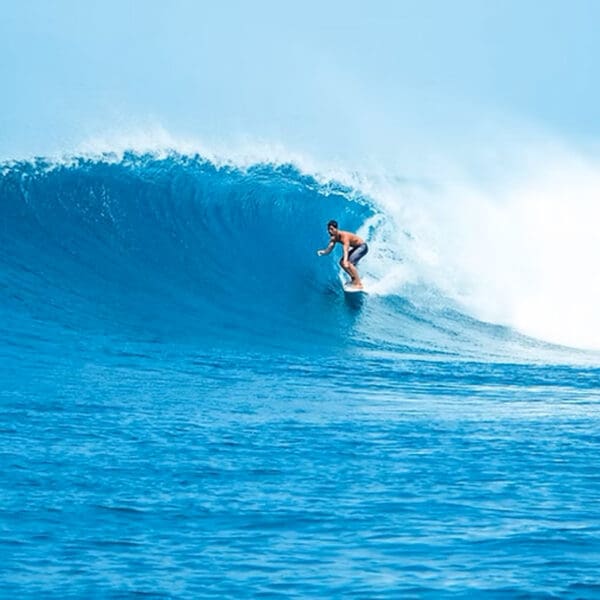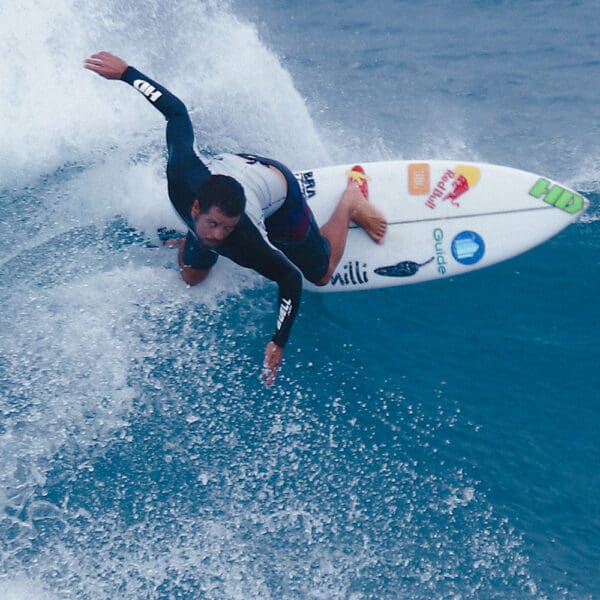
The Maldives doesn’t have to mean a five-star resort. Local islands put you in the same surf zone — sometimes within paddling distance of the same breaks — at a price point that makes a Maldives surf trip genuinely accessible.
From budget-friendly surf houses to boutique guesthouses and hotels, just a step below the main resort experience, our local island picks cover the full range.
Same waves. Different price tag.
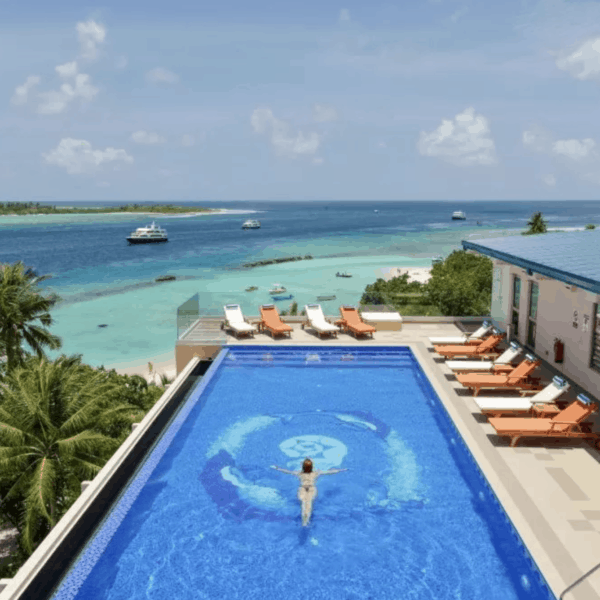
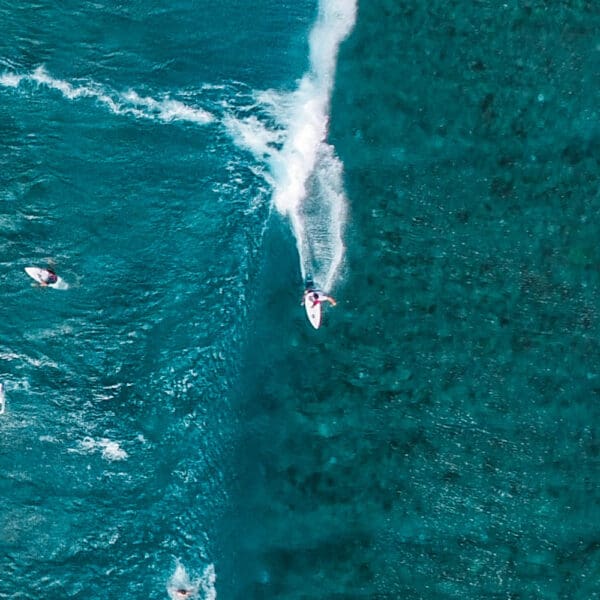
Local island stays are based on the inhabited islands of the Maldives rather than the private resort islands. You stay in a guesthouse, hotel, or surf house, eat at local restaurants, and access the same breaks as the resort guests — often by a short boat transfer rather than a direct paddle out.
The trade-off is a simpler setup and less of the resort infrastructure. What you gain is value, authenticity and the chance to experience the Maldives in a way that feels genuinely different to a standard resort trip.
For surfers heading from Sri Lanka, local island packages make a natural and cost-effective add-on — keeping the budget in check while still ticking one of surfing’s great destinations off the list.
And for anyone who’s enquired about a resort and found it doesn’t quite fit the budget, a local island stay is the honest alternative we’d point you to first.
The North Malé Atoll is home to the most famous and accessible local island surf scene in the Maldives. Thulusdhoo is the hub — Cokes breaks directly off the island and Chickens sits straight across the channel, meaning you’re as close to world-class surf as you can get without paying resort prices. Himmafushi is nearby and offers access to Jailbreaks and the broader North Malé surf zone.
Both islands are a short speedboat ride from the airport — easy to reach, well-established for surf travel and a genuinely excellent introduction to the Maldives for surfers on a budget.

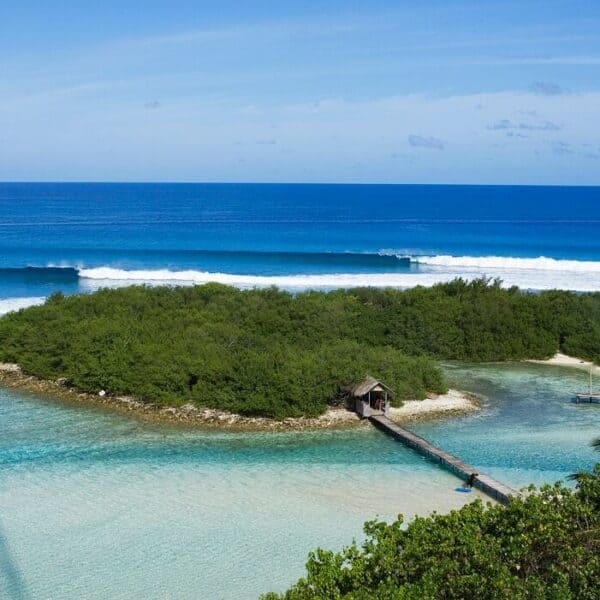
The Central Atolls sit further from Malé and receive fewer visitors than the North Malé options — which means uncrowded lineups and a more remote, adventurous Maldives experience. A domestic flight or longer speedboat transfer is required, but the trade-off is a quality of surf experience that the more accessible atolls can’t match for emptiness.
The Southern Atolls follow a different season to North Malé — primary season runs from February to April and September to November, making them a smart option for surfers who can’t travel in the main June to August window.
The remoteness means smaller crowds and a Maldives experience that feels genuinely different to the more accessible northern options.